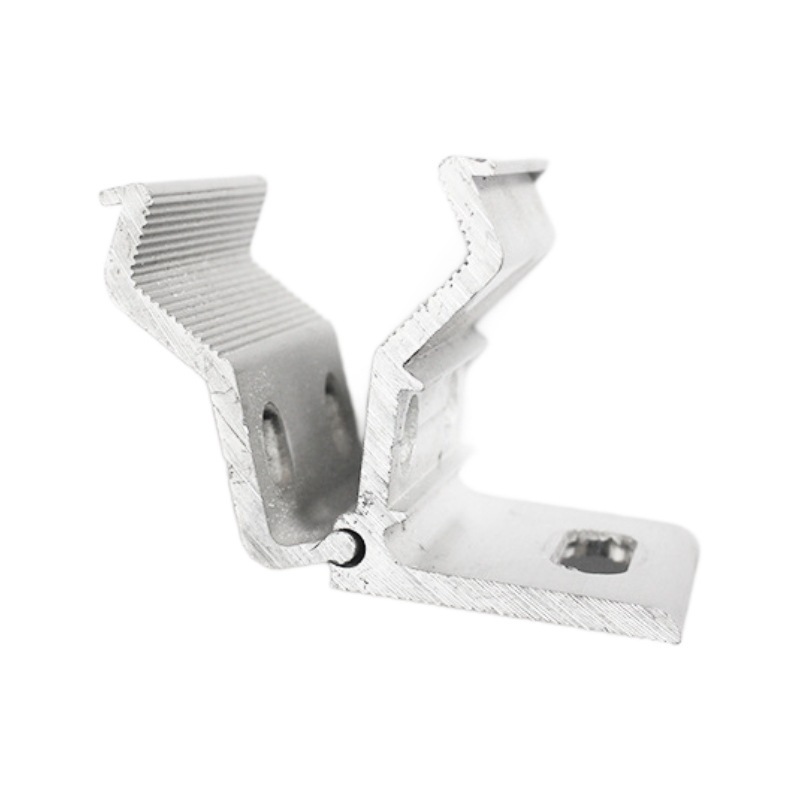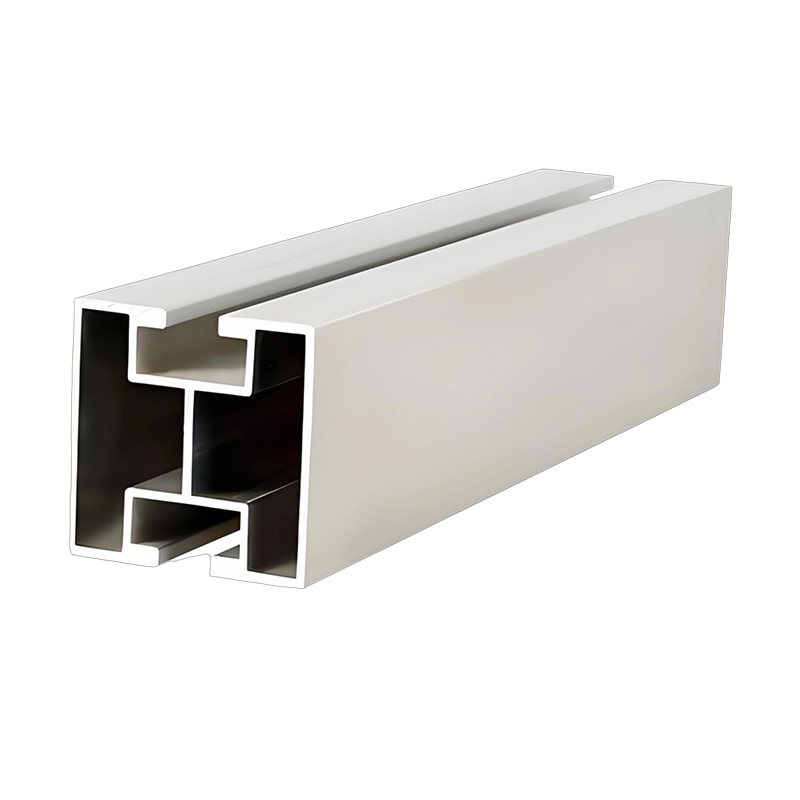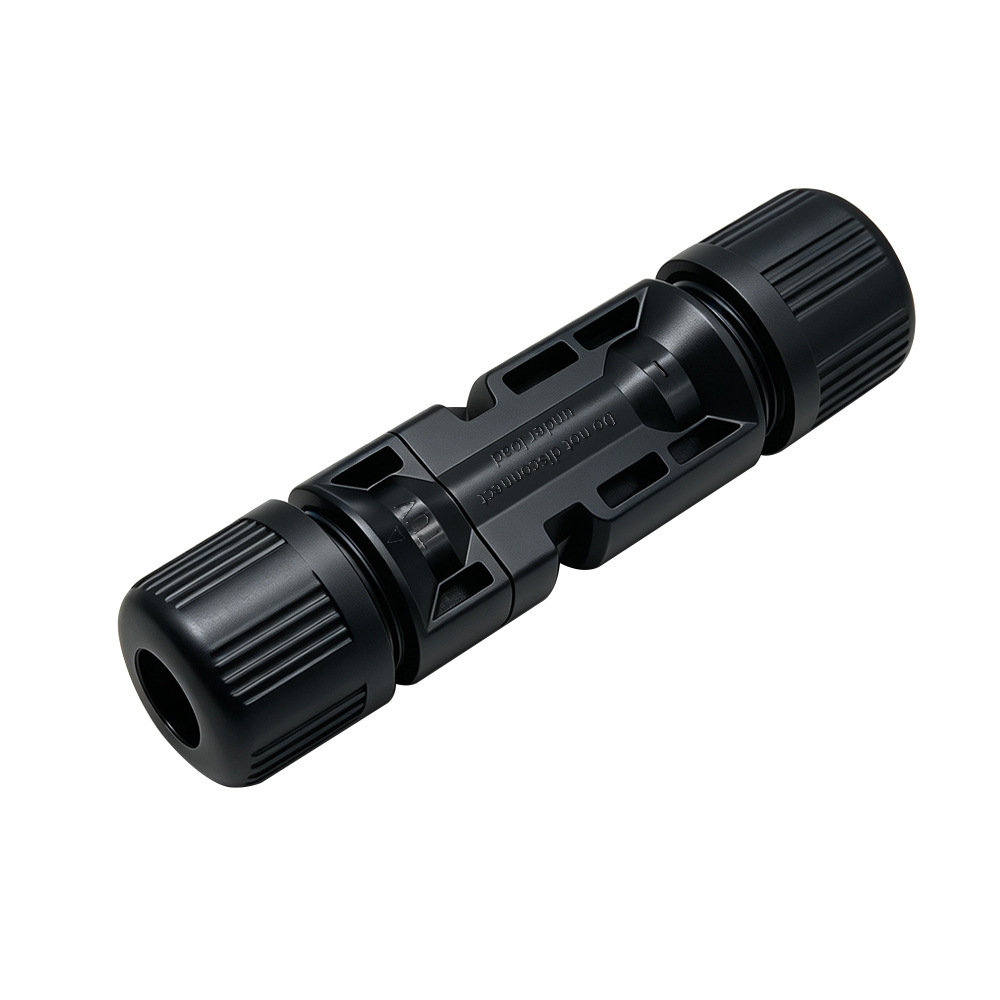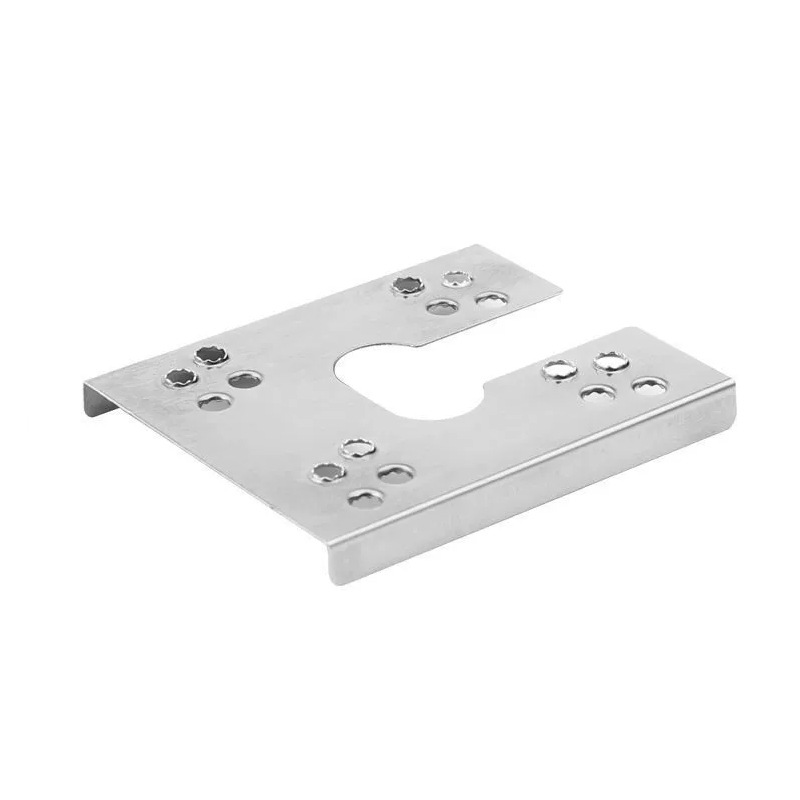
Product Specifications
| Material | Carbon Steel |
Product Introduction
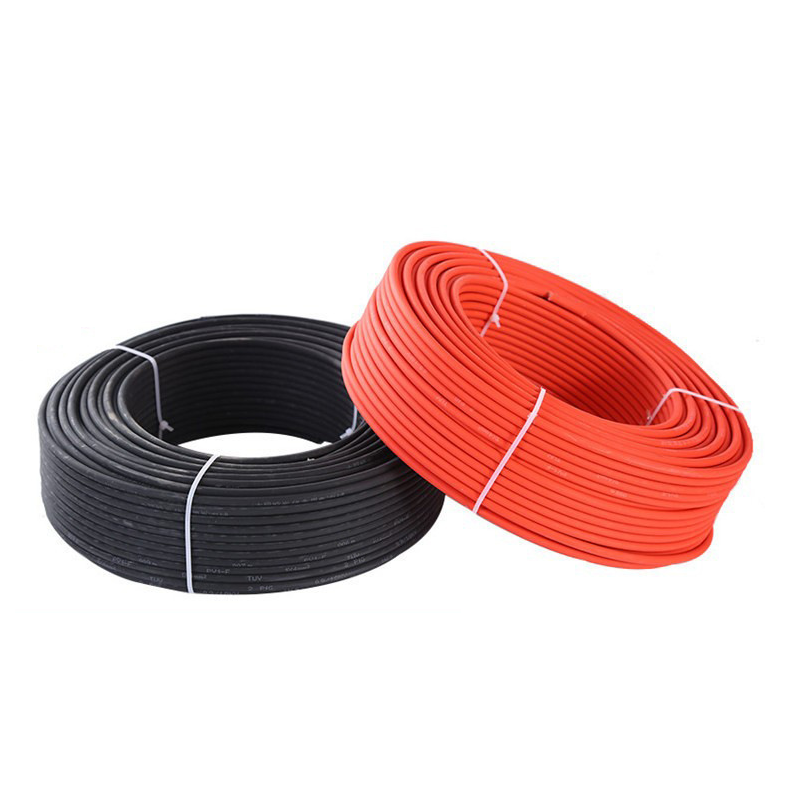
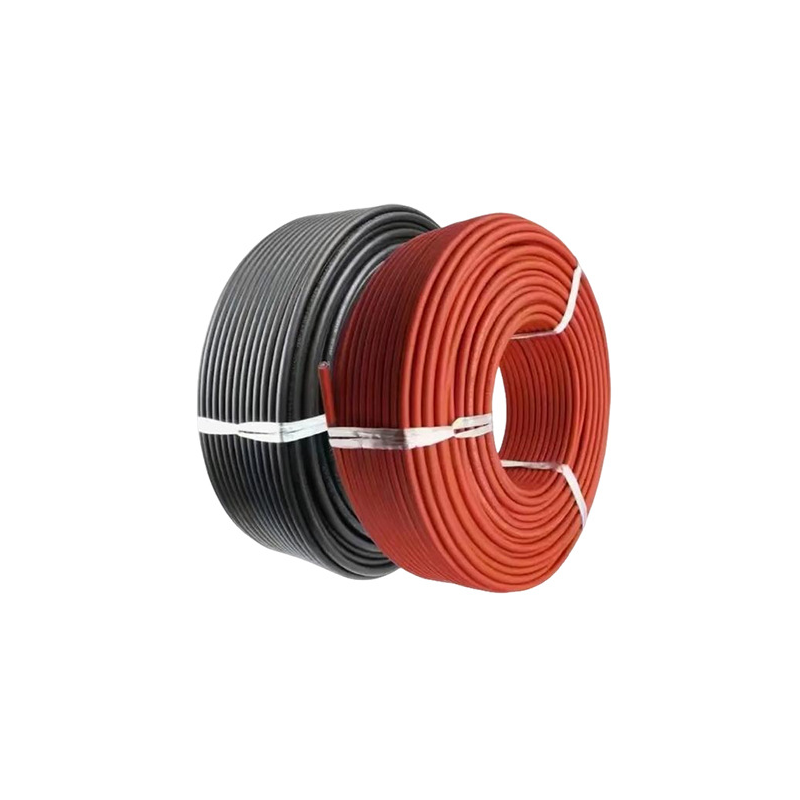
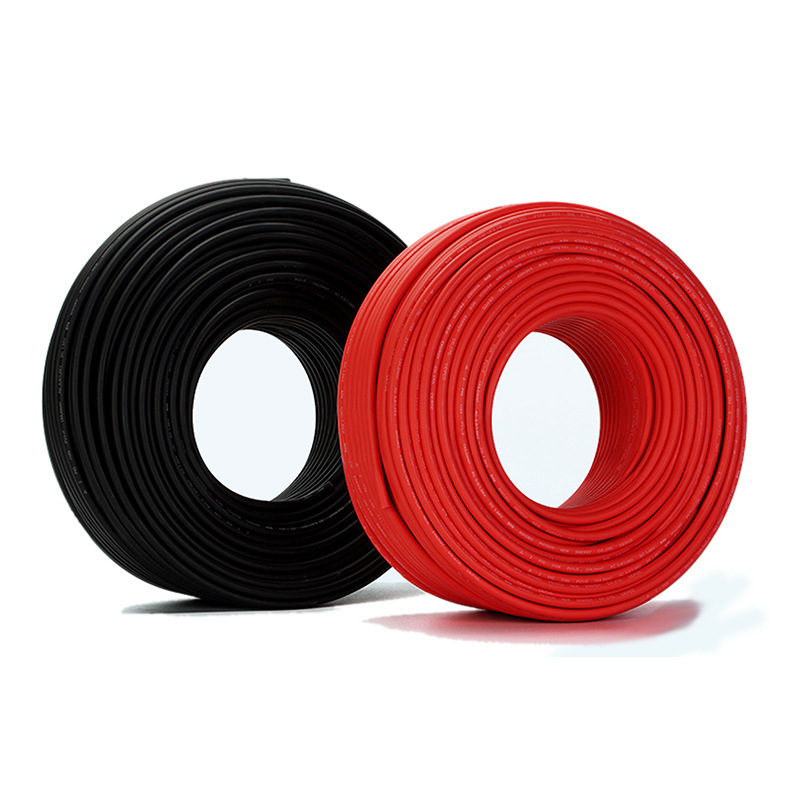
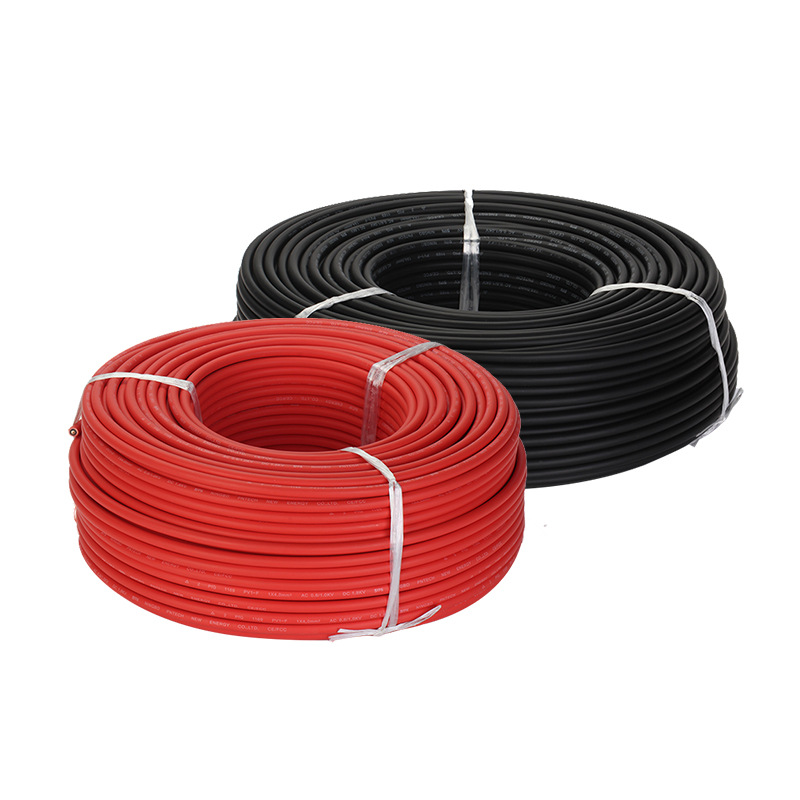
The photovoltaic DC cable (PV cable) is a dedicated single-core flexible cable designed and manufactured specifically for the DC side of photovoltaic power generation systems. It is mainly used to connect PV modules, combiner boxes, and inverters and to transmit DC electrical energy. Mainstream models include PV1-F and H1Z2Z2-K, which comply with TÜV 2PfG 1169/08.2007 and EN 50618 standards, respectively. The cable adopts an integrated structure of a tinned copper conductor and a double-layer irradiated cross-linked polyolefin insulation and sheath. The rated DC voltage is usually 1500V, and the design service life is no less than 25 years. It is developed specifically for harsh working conditions such as long-term outdoor exposure, alternating high and low temperatures, and intense ultraviolet radiation. Ordinary wires and cables cannot meet the weather resistance and safety requirements of the PV DC side and cannot be used as substitutes.
I. Product Features
Double-layer irradiated cross-linked insulation structure: From inside to outside, it consists of a tinned copper conductor, an irradiated cross-linked polyolefin insulation layer, and a weather-resistant sheath of the same material. The insulation and sheath fit closely without delamination, and the structure is compact and flexible.
Tinned copper conductor with oxidation resistance and low loss: The conductor uses Class 5 multi-strand tinned copper. The tin coating effectively prevents copper wires from oxidizing in humid outdoor environments, providing lower conductive resistance and stable voltage drop during long-term operation.
Extremely wide temperature adaptability: The long-term working temperature covers -40°C to +90°C. The conductor can withstand a short-term short circuit (within 5 seconds) at 250°C and will not harden or become brittle under repeated day-night temperature cycles.
Comprehensive weather resistance and aging resistance: The sheath is supplemented with UV-resistant additives and can resist ultraviolet rays, ozone, acids, alkalis, salt spray, and water vapor erosion. It will not chalk or crack under long-term outdoor exposure and is suitable for complex environments such as coastal salt spray, desert strong light, and severe cold in northern regions.
Low smoke, halogen-free, and flame retardant: The cable uses halogen-free, low-smoke, flame-retardant materials throughout. Fire is not easy to spread, and no toxic halogenated fumes are released during combustion, providing fire safety properties.
Outstanding flexibility and convenient installation: The static laying bending radius is only 10 times the cable outer diameter. Routing turns and module layout are flexible and labor-saving, and repeated handling and layout will not easily break the core.
II. Product Advantages
25-year life matches the power plant cycle: From material selection to structural design, the cable targets no less than 25 years of outdoor service, matching the design life of photovoltaic power plants and reducing O&M costs and downtime losses caused by mid-term cable replacement.
Low loss ensures power generation efficiency: The tinned copper conductor has significant oxidation resistance advantages. During long-term operation, conductive performance degradation is small, and the voltage drop of DC transmission lines remains stable, helping to maintain the overall power generation efficiency of the system.
Long-term reliability in harsh environments: Comprehensive performance including high/low temperature resistance, UV resistance, salt spray resistance, and acid/alkali resistance enables it to maintain insulation integrity and mechanical strength in rooftop, ground, coastal, desert, and severe cold scenarios, reducing safety risks caused by sheath cracking and leakage.
Ordinary wires cannot be used as substitutes: The PV DC side is subjected to long-term high-voltage DC and severe outdoor aging. The insulation layer of ordinary wires is prone to aging and failure under ultraviolet light and high/low temperatures. Dedicated PV cables solve this problem from the material source.
III. Scope of Application
Series and parallel connection of PV modules: Series wiring between modules and parallel wiring between strings.
DC main line from combiner box to inverter: DC power transmission from the DC combiner box to the inverter, which is the main trunk line on the DC side of the power plant.
Large ground-mounted PV plants: DC wiring within the array of centralized ground-mounted plants and from the array to the combiner box and inverter.
Commercial, industrial, and residential distributed rooftops: DC loop wiring of PV systems on factory and warehouse roofs and residential roofs.
Projects in complex natural environments: PV projects with extremely high requirements for cable weather resistance, such as coastal salt-spray areas, strong-light desert areas in the northwest, severe cold permafrost areas in the north, and high-radiation plateau areas.
Agrivoltaics and off-grid systems: Outdoor laying in agricultural PV greenhouses, as well as DC connections for small off-grid PV systems such as PV street lights and monitoring power supplies.