Product Specifications
| Material | Stainless Steel |
Product Introduction
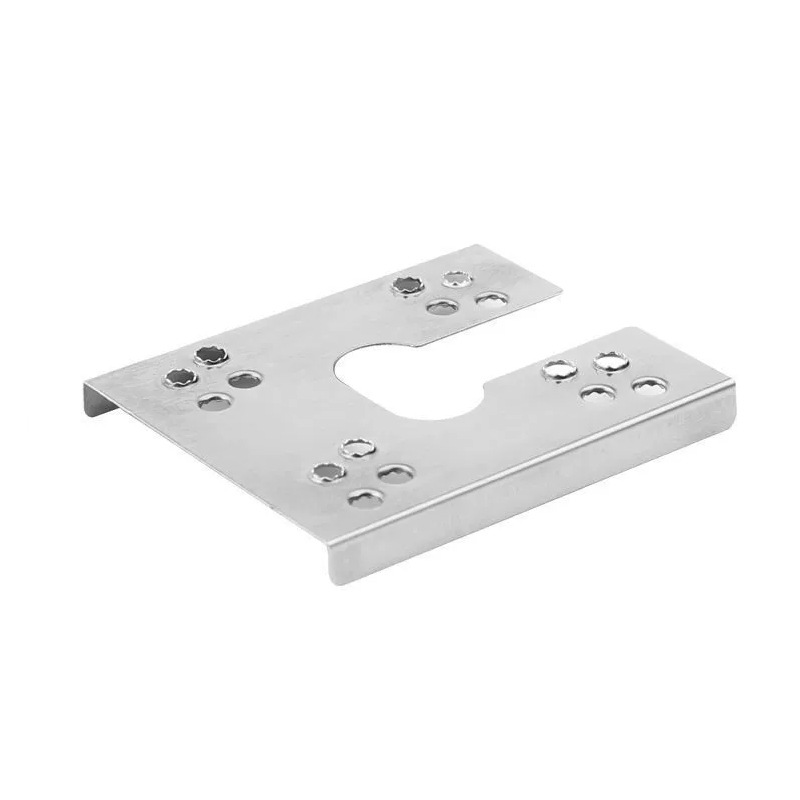
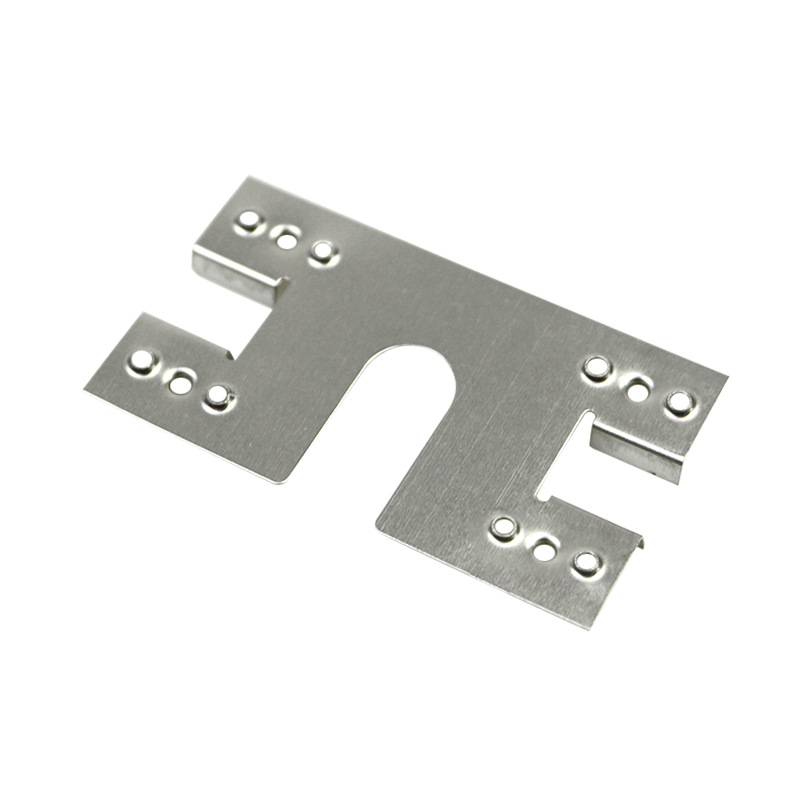
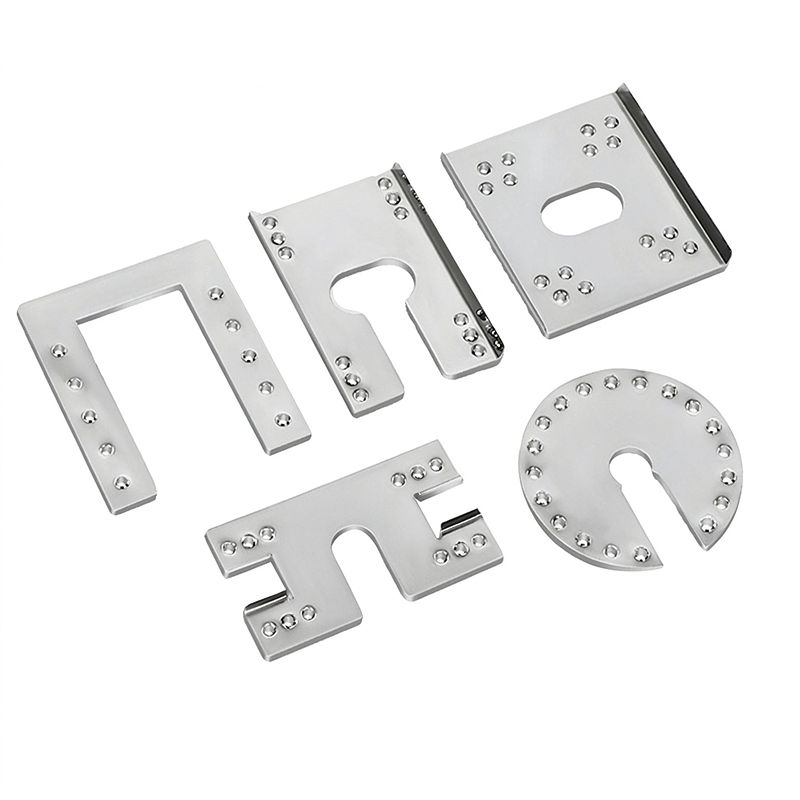
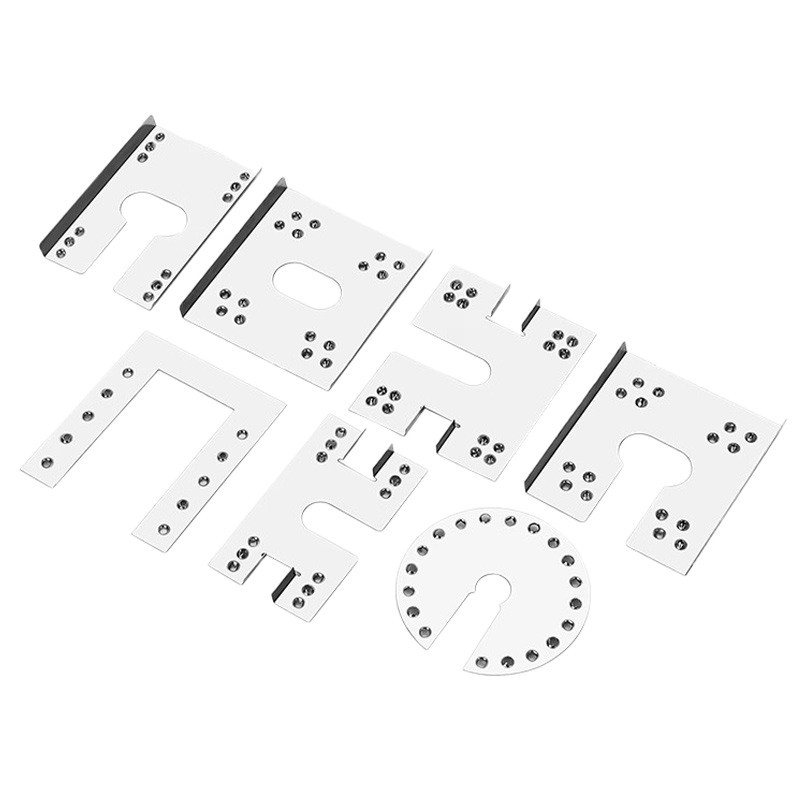
Photovoltaic conductive sheets are usually made of 304 stainless steel, using its good electrical conductivity and corrosion resistance to adapt to long-term outdoor environments. Their dimensions closely match rail and clamp systems. Common forms include piercing plates used with mid clamps and piercing washers suitable for C-shaped steel/U-shaped steel rails, compatible with mainstream specifications such as 20–25.5 mm wide mid clamps or 41 mm wide C-shaped steel rails. Their design life usually matches the 25-year operating cycle of a PV plant, and most products come with a 10–15 year warranty.
I. Product Features
Mechanical piercing to break the oxide film: The surface of the conductive sheet is provided with sharp spikes in multiple directions. During installation, it is pressed between the module frame and the rail; the spikes penetrate the anodized insulating layer on the aluminum surface and form direct contact with the conductive aluminum inside.
Stainless steel base, balancing conductivity and corrosion resistance: The mainstream material is 304 stainless steel, which ensures electrical conductivity while providing excellent rust and corrosion resistance, adapting to outdoor rain, snow, and humid environments.
Standardized dimensions for wide compatibility: Common diameters are about 40–50 mm, compatible with general rails wider than 44 mm, 20–25.5 mm wide hat-shaped mid clamps, 41 mm wide C-shaped steel or U-shaped steel, and 40×40 mm T-slot rails.
Flexible installation position: It is usually placed under the mid clamp or at the clamping point between the module and the rail. One conductive sheet per mid clamp completes the grounding connection at that node.
Good compatibility with accessories: It can be used together with copper grounding blocks, grounding wire clips, etc., to form a complete grounding system.
II. Product Advantages
Greatly simplifies grounding construction and saves material and labor: The traditional method requires laying a separate grounding wire for each module and crimping terminals. With conductive sheets, there is no need to lay a grounding wire for each module, nor to sand the surface of anodized aluminum parts, significantly reducing grounding wire materials and labor input.
Reduces contact resistance and ensures grounding continuity: The direct metal contact formed after the spikes penetrate the oxide layer provides a low-resistance discharge path for fault currents and lightning currents, ensuring a reliable current loop between modules.
High construction efficiency: During installation, simply place the conductive sheet between the module and the bracket and lock it together with the clamp. No additional tools or processes are required, making construction fast.
Good long-term reliability: The corrosion resistance of 304 stainless steel makes it unlikely to rust and fail in outdoor environments. Its design service life matches the PV plant cycle, reducing later maintenance costs.
Compatible with mainstream mounting systems: Most products are compatible with common mid clamps, C-shaped steel, and aluminum alloy rails on the market, facilitating system integration and procurement.
III. Scope of Application
PV module grounding and lightning protection systems: Used for electrical connection between framed PV modules and mounting rails, forming the grounding loop of the array and protecting equipment from lightning and static damage.
Large ground-mounted plants: Large arrays with many modules. Using conductive sheets can significantly reduce the amount of grounding wire and construction man-hours, lowering system costs.
Commercial, industrial, and residential distributed rooftops: In scenarios such as color steel tile roofs and concrete roofs, used for quick grounding connection between module frames and rails.
Complex rail systems: Compatible with C-shaped steel, U-shaped steel, T-slot, and other rail profiles, meeting grounding requirements under different mounting designs.
Projects with high construction efficiency requirements: Because no separate grounding wire is needed, the installation process is simplified, making it suitable for projects with tight schedules or high labor costs.