Product Specifications
| Material | Nitrile Rubber |
Sealing Ring — Product Introduction
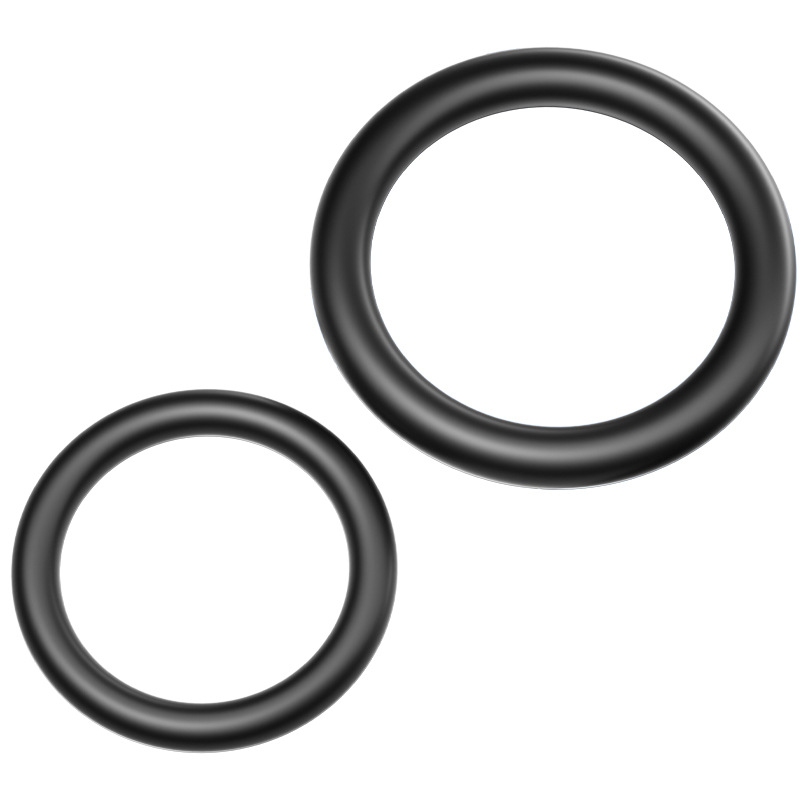
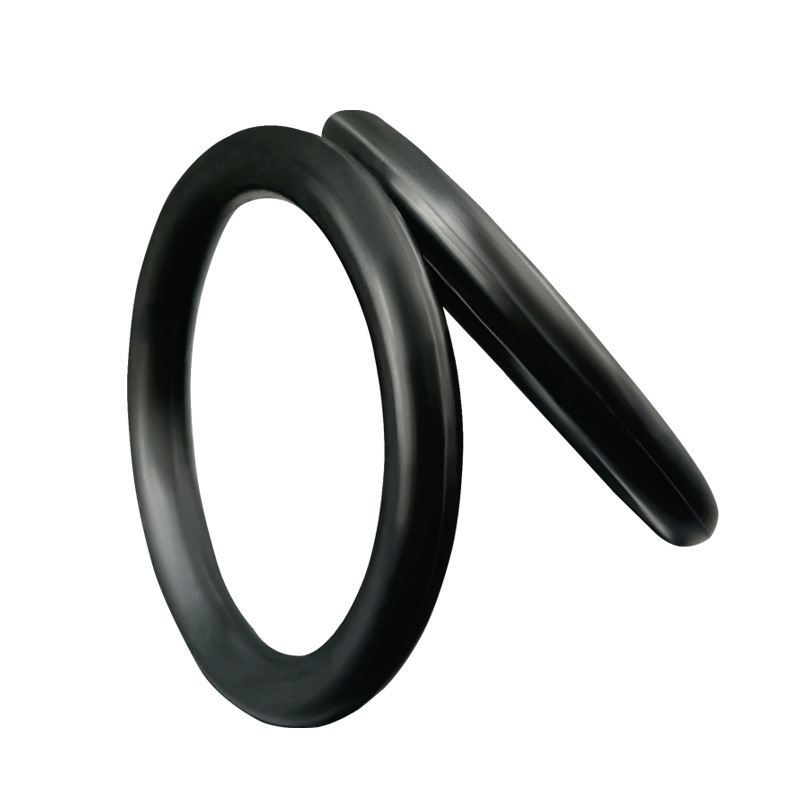
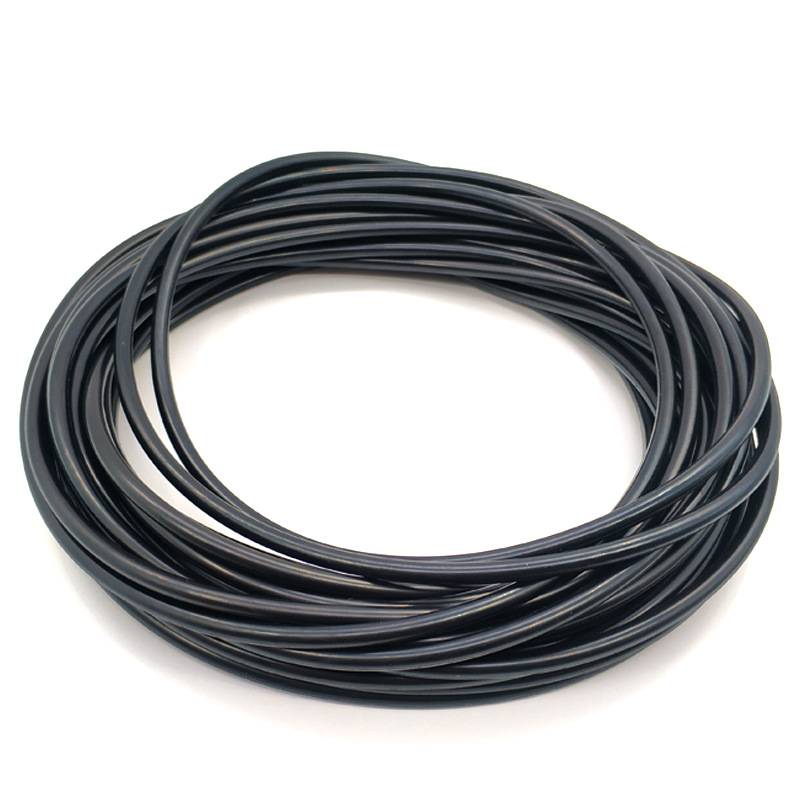
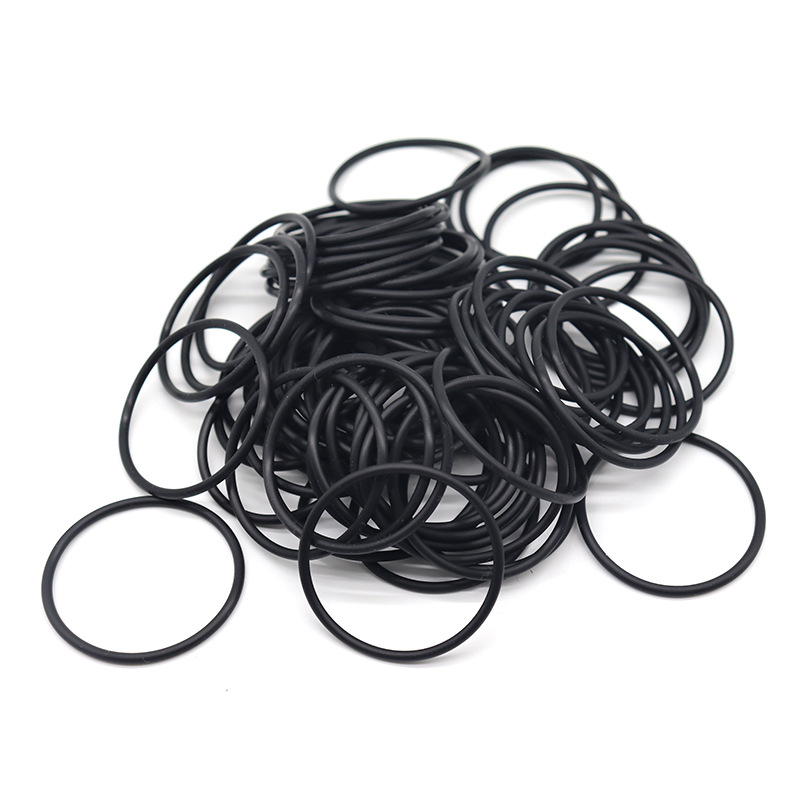
A sealing ring (commonly referring to an O-ring rubber seal) is an annular sealing element with a circular cross-section. It relies on the initial compression during installation and the self-tightening effect generated by system pressure to prevent fluid or gas from leaking from mechanical joint surfaces while also preventing the ingress of external contaminants. With an extremely simple structure, low cost, and reliable sealing performance, it is the most widely used sealing form in hydraulic, pneumatic, automotive, and general machinery applications. O-rings account for more than 50% of seals used in mechanical products. In addition to O-rings, the sealing ring family also includes Y-type, V-type, YX-type, and other cross-sectional shapes, which are respectively suited to different working conditions such as hydraulic cylinder pistons, rotating shafts, and reciprocating oil cylinders.
I. Product Features
Circular cross-section and extremely simple structure: The O-ring has a circular cross-section, its installation groove is easy to machine, and it occupies little space, making it one of the most standardized sealing components.
Self-sealing action: In addition to the initial seal provided by installation compression, the higher the system medium pressure, the greater the force pressing the O-ring against the sealing surface, and the stronger the sealing effect—this is the “self-tightening effect.”
Rich material system, selected according to medium: Commonly used nitrile rubber (NBR) has good oil resistance and low cost; fluororubber (FKM) offers high-temperature and chemical corrosion resistance; EPDM resists water and weathering; silicone rubber (VMQ) is low-temperature resistant and non-toxic; polyurethane (PU) is wear-resistant and tear-resistant. Different materials are suitable for oil, water, air, steam, and various chemical media.
Wide temperature and pressure range: The general temperature range is approximately -60°C to +220°C (depending on material). For static sealing with a backup ring, the pressure can reach a relatively high level; NBR material can withstand static pressure up to 100 MPa (with backup ring), while dynamic reciprocating service generally does not exceed 25 MPa.
Strong standardization and interchangeability: Dimensions and grooves have formed systems such as the Chinese standard (GB 1235) and the American standard (AS568), and products of the same specification from different suppliers can be used interchangeably.
II. Product Advantages
One ring for multiple uses, suitable for both static and dynamic sealing: O-rings can be used not only for static sealing of flanges, end caps, etc., but also for dynamic sealing in low-speed reciprocating or rotary applications, reducing the variety of sealing components and simplifying selection and inventory management.
Reliable sealing and low leakage risk: The self-sealing mechanism enables the O-ring to maintain contact stress even under pressure fluctuations. With a reasonable compression rate (15%–30% for static sealing and 9%–25% for dynamic sealing), long-term stable sealing can be achieved.
Convenient installation and maintenance: The structure is simple and the grooves are standardized. Replacement requires no complex tools or extensive equipment disassembly, making it suitable for on-site repair and mass assembly.
Good whole-life economic performance: The unit price is low and the degree of standardization is high. Proper material selection can cover a wide range of working conditions from room-temperature oil media to high-temperature chemical media, avoiding frequent shutdowns and replacements caused by improper selection.
Can be expanded into combined seals: Under high-pressure or harsh conditions, O-rings can be used in combination with PTFE backup rings, step seals, etc., balancing low friction and high pressure resistance to achieve zero-leakage or near-zero-leakage sealing performance.
III. Scope of Application
Hydraulic and pneumatic systems: Oil circuit sealing of hydraulic valve blocks, static sealing of cylinder end caps, pipe joint sealing, pump/motor housing sealing, and reciprocating elements such as cylinders and pneumatic spool valves.
Automotive and construction machinery: Hydraulic and pneumatic components and rotary/reciprocating seals in internal combustion locomotives, automobiles, tractors, and construction machinery.
General industrial equipment: Static sealing and low-speed dynamic sealing for machine tools, valve pipelines, pumps, bearings, reducers, and other mechanical equipment.
Special media and industries: FKM O-rings are used in petrochemical and high-temperature corrosion-resistant applications; silicone O-rings are used in medical and food-grade non-toxic applications; EPDM is used for hot water, steam, and weather-resistant sealing.
Pipelines and water supply/drainage: Sealing of pipeline flanges and joints, requiring compliance with material specifications for rubber sealing rings used in water supply and drainage pipelines.