Product Specifications
| Material | Carbon Steel |
Product Introduction
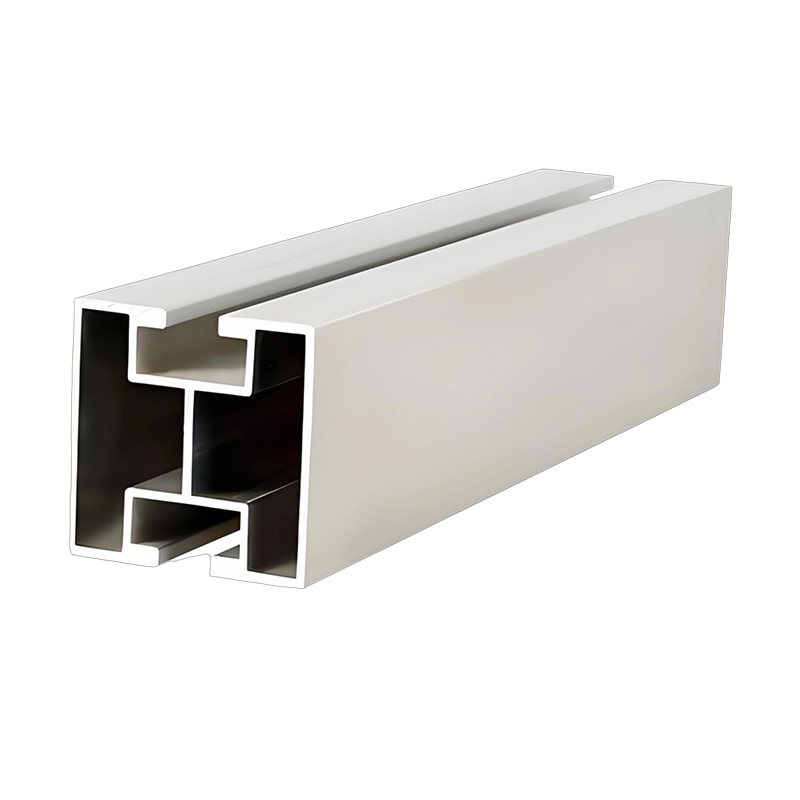
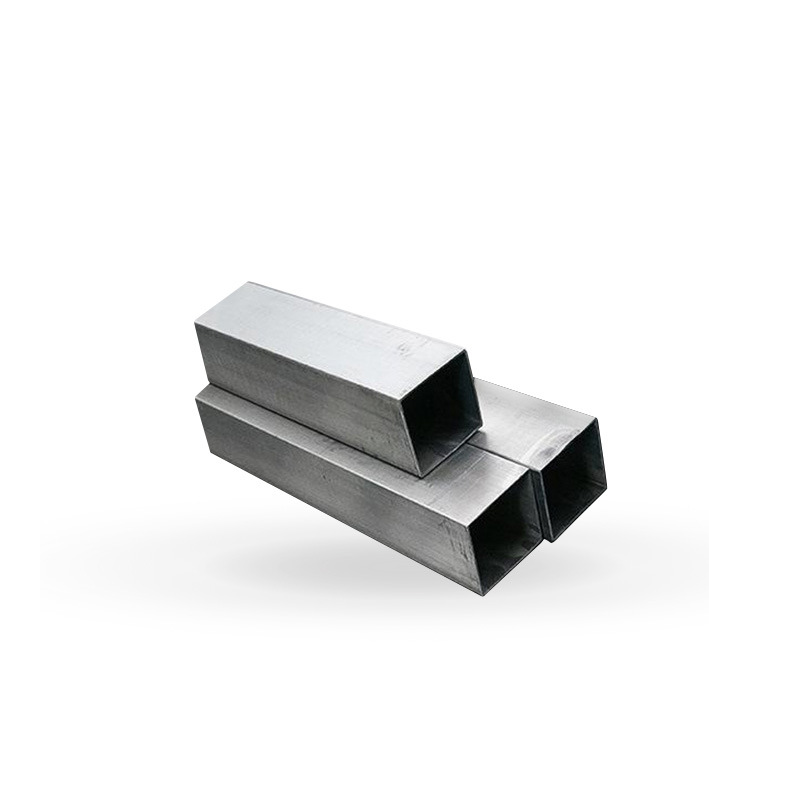
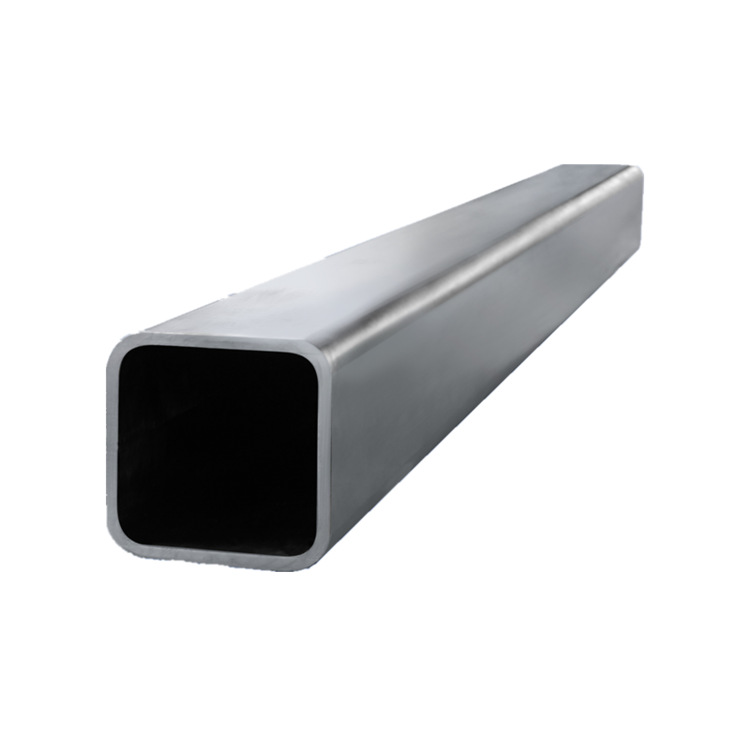
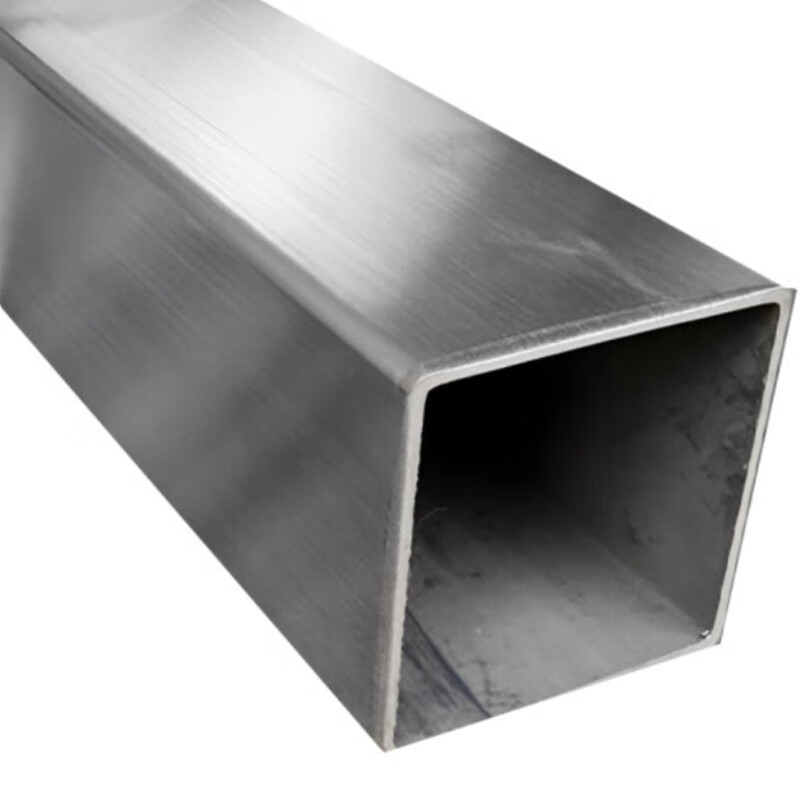
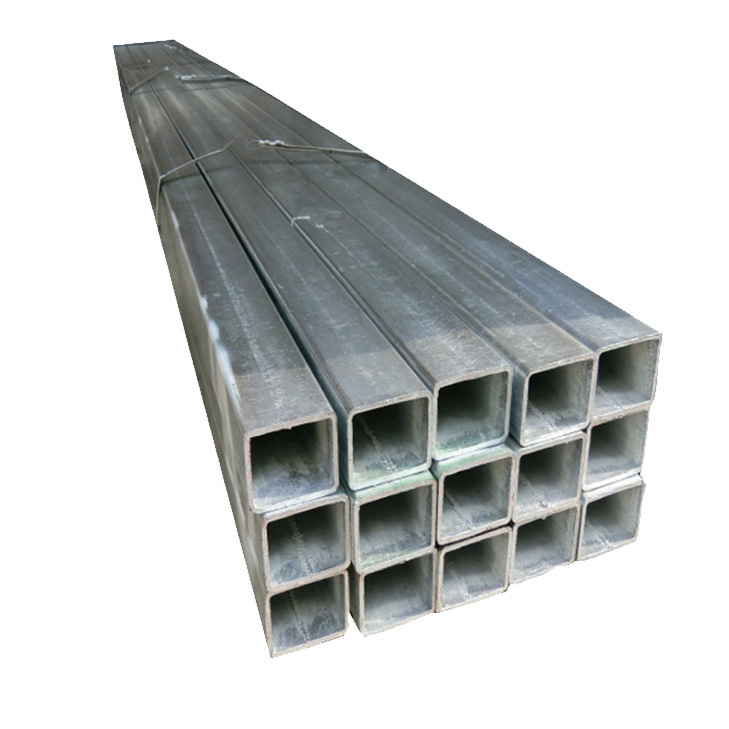
Square steel tube is the abbreviation for square hollow structural steel. It is usually made from strip steel or coiled plate through cold roll forming and high-frequency welding into a round tube, which is then rolled into a square or rectangular cross-section and cut to length as required. By process, it can be divided into welded square tube and seamless square tube. Common materials include ordinary carbon steels and low-alloy steels such as Q195, Q235B, and Q355B, conforming to standards such as GB/T 6728 and GB/T 3094. Square steel tube features a closed cross-section, relatively light weight, good bending and torsional performance, and convenient processing. It is widely used in building steel structures, photovoltaic supports, machinery manufacturing, vehicle manufacturing, and municipal engineering.
I. Product Features
Closed cross-section, balanced mechanical performance: Square tube is a biaxially symmetric closed cross-section; the moments of inertia in the two principal axis directions are relatively close, giving strong bending and torsional resistance and making it less prone to an obvious weak axis under load.
Regular dimensions and high precision: Produced by cold roll forming and welding, it has relatively uniform wall thickness, a square cross-section, and smooth inner and outer surfaces, making it easy to fit and assemble with connectors.
Flexible material selection: Ordinary carbon steel square tube has lower cost and is suitable for general structures; low-alloy square tube has higher strength and is suitable for load-bearing or low-temperature environments.
Strong processing adaptability: It can be cut, drilled, welded, cold-bent, and otherwise processed. Factories can pre-cut to length and punch holes, and on-site assembly can be carried out directly.
Diverse surface treatments: Hot-dip galvanizing, electro-galvanizing, painting, oiling, and other treatments can be selected according to the environment to meet different anti-corrosion requirements.
II. Product Advantages
High material utilization: Compared with open sections such as angle steel and channel steel, square tube uses less steel under the same load-bearing capacity, offering better structural economy.
Strong bending and torsional resistance: The closed cross-section gives square tube good overall stiffness and seismic performance, making it suitable for structures subjected to biaxial forces and torque.
High construction efficiency: Components can be prefabricated in the factory and connected on site by bolts or welding, reducing secondary processing and shortening the construction period.
Obvious lightweight advantage: The hollow cross-section reduces self-weight while ensuring strength, making it suitable for weight-sensitive applications such as photovoltaic supports and vehicle structures.
Mature standard specifications: Square tube specifications cover a wide range with many wall thickness options, facilitating design selection, bulk procurement, and export project execution.
III. Scope of Application
Building steel structures and curtain walls: Used for steel frames, trusses, space frames, curtain wall keels, skylight skeletons, etc.
Photovoltaic new energy: Used for photovoltaic support columns, beams, diagonal braces, and counterweight frames; hot-dip galvanized square tube is suitable for long-term outdoor use.
Machinery manufacturing and equipment frames: Used for equipment racks, support bases, automation equipment frames, and non-standard structural parts.
Automobile and vehicle manufacturing: Used for lightweight parts such as vehicle frames, chassis accessories, trailer structures, and carriage skeletons.
Bridges and municipal engineering: Used for bridge railings, cable trays, rail transit facilities, highway guardrails, etc.
General structures and fluid conveyance: Can be used for low-pressure fluid conveyance pipelines, scaffolding, shelving, fitness equipment, furniture frames, and agricultural greenhouses, etc.