Product Specifications
| Material | Carbon Steel |
Sag Rod — Product Introduction
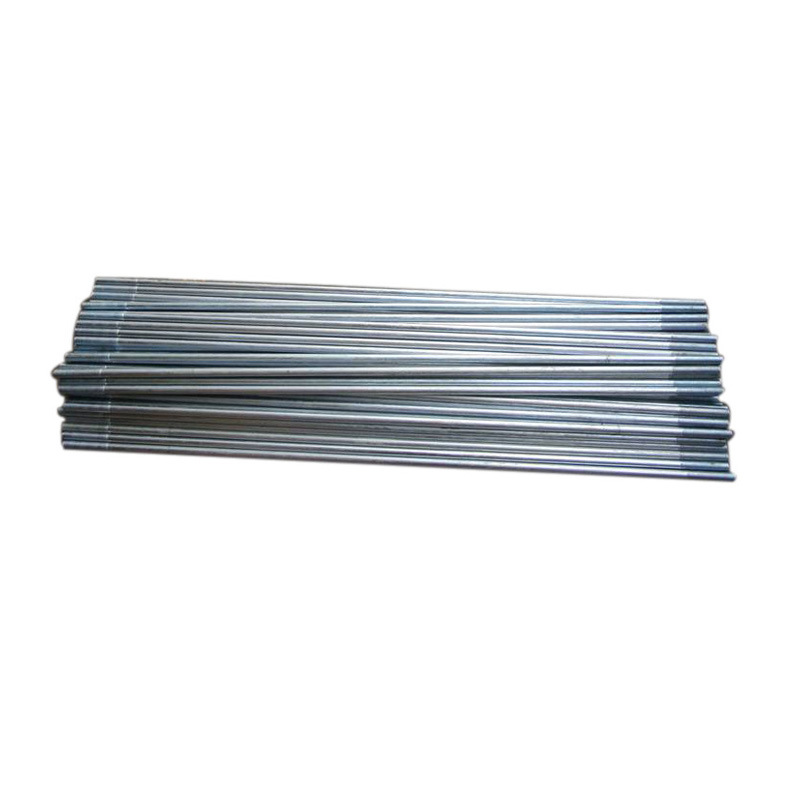
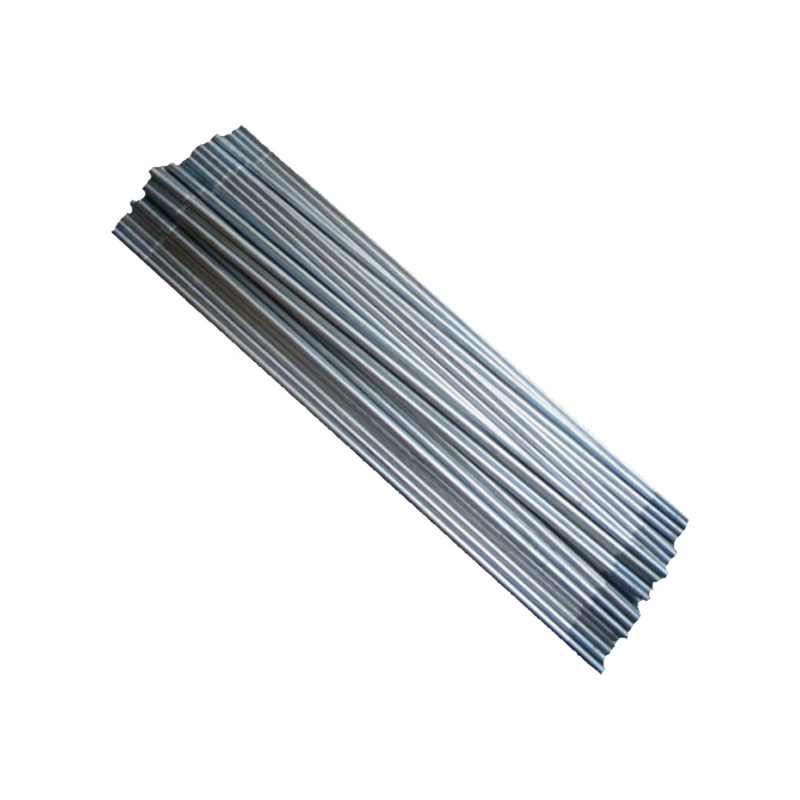
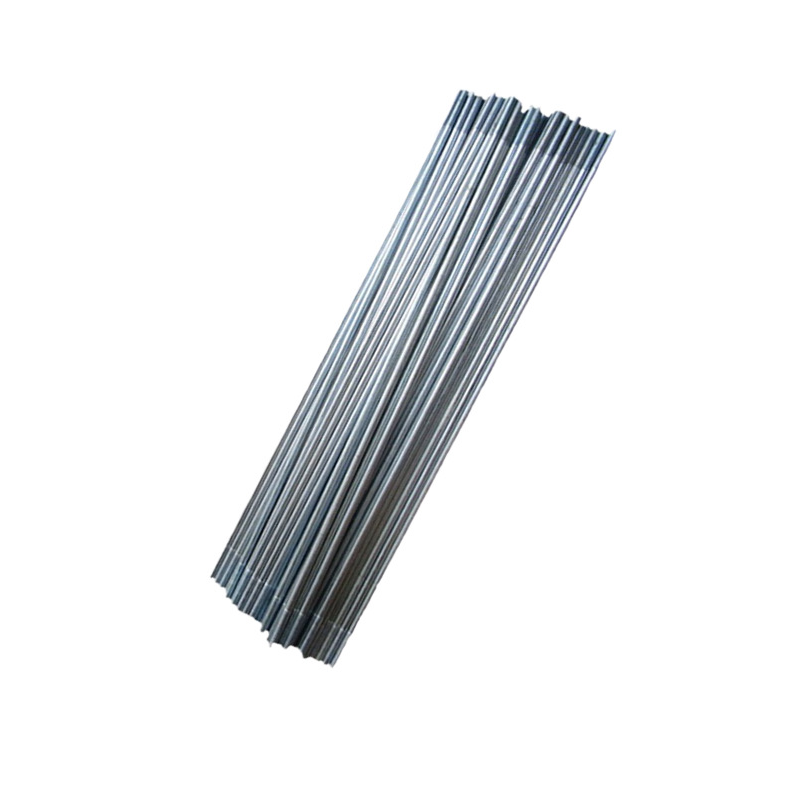
A tie rod (also known as a sag rod, tie bar, or tension rod) is a tension member commonly used in steel structure buildings and photovoltaic mounting systems. The product is usually made of carbon structural steel round bars such as Q235B or Q355B, with both ends threaded and equipped with corresponding nuts. Its core function is to connect purlins or brackets, restrict lateral deformation of compression members, and prevent structural instability. The surface is typically hot-dip galvanized for anti-corrosion treatment. It features simple processing, clear load transfer, and low cost, making it an indispensable auxiliary connecting material for light steel factories and storage sheds.
I. Product Features
-
Pure tension structure: The cross-section is a round steel bar, which can only bear axial tension (not compression), and the mechanical model is simple and reliable.
-
End thread design: Both ends are usually processed with standard threads (full thread or specific thread length), and pre-tension is applied by tightening the nuts.
-
Flexible specifications, easy to customize: Common diameters include Φ8, Φ10, Φ12, Φ14, Φ16, etc., and the length can be cut to size according to the purlin spacing in the project.
-
Strong compatibility: Often used in conjunction with "struts (sleeves)" or "diagonal sag rods" to form a stable tensioning system.
II. Product Advantages
-
Enhances structural stability: In roof or wall systems, sag rods can effectively reduce the lateral effective length of purlins and prevent them from twisting and lateral instability under wind suction or snow loads.
-
Extremely fast installation and adjustment: During on-site construction, simply pass the sag rod through the pre-drilled holes in the purlins and tighten the double nuts at both ends to tension it. No welding is required, resulting in extremely high construction efficiency.
-
Extremely low cost, good economy: Compared to using angle steel or channel steel for bracing, using round steel sag rods saves a significant amount of steel, greatly reducing the overall project cost.
-
Anti-corrosion and durable (depending on treatment): Hot-dip galvanized sag rods have a thick zinc layer, making them resistant to rust in humid environments such as open-air factories or greenhouses.
III. Scope of Application
-
Light steel structure buildings: (Core application) Used for tying between roof purlins and wall girts in steel structure factory buildings (divided into straight sag rods, diagonal sag rods, and struts).
-
Photovoltaic new energy mounting systems: Used as tension diagonal braces in photovoltaic mounting systems to resist wind loads and stabilize the bracket structure.
-
Greenhouse construction: Used for longitudinal connection and reinforcement between greenhouse skeletons (arch pipes) to prevent the greenhouse from collapsing under wind.
-
Tower and communication engineering: Used for internal cross bracing (tension parts) in communication towers and transmission towers.
-
Curtain wall and door/window engineering: Used for the cable support system of point-supported glass curtain walls.