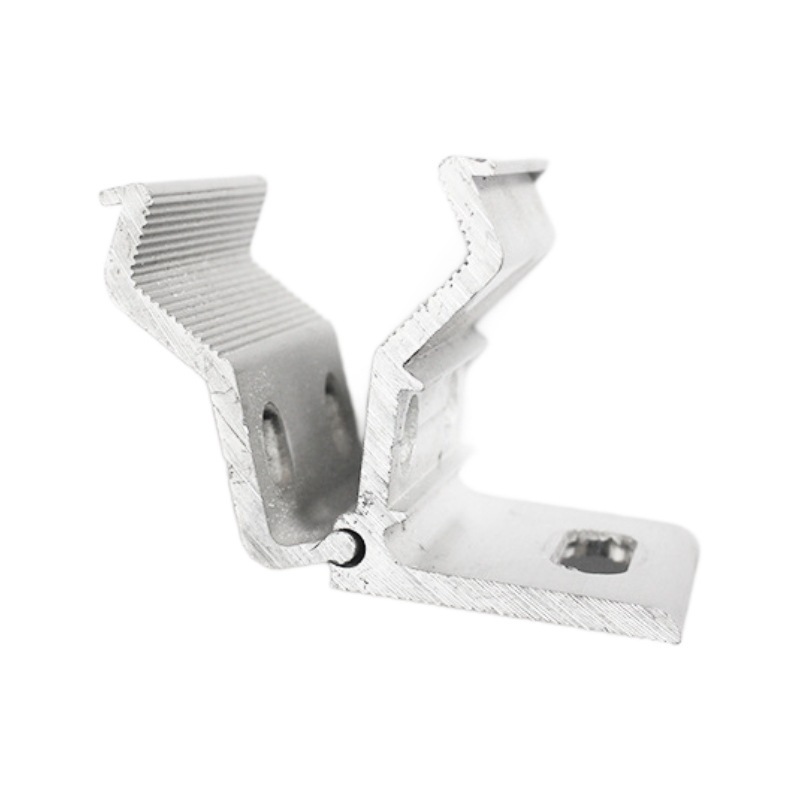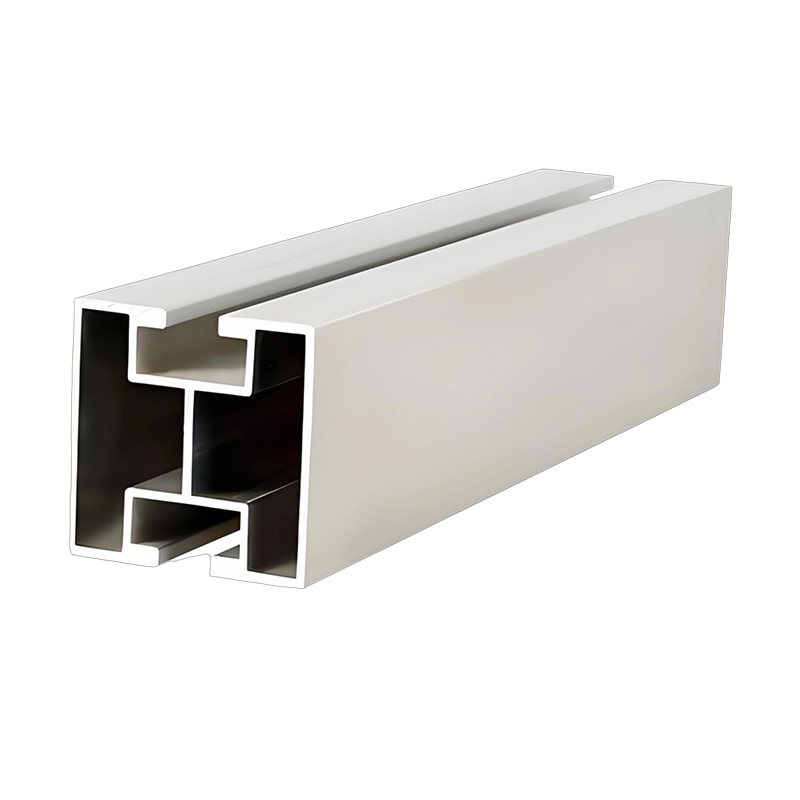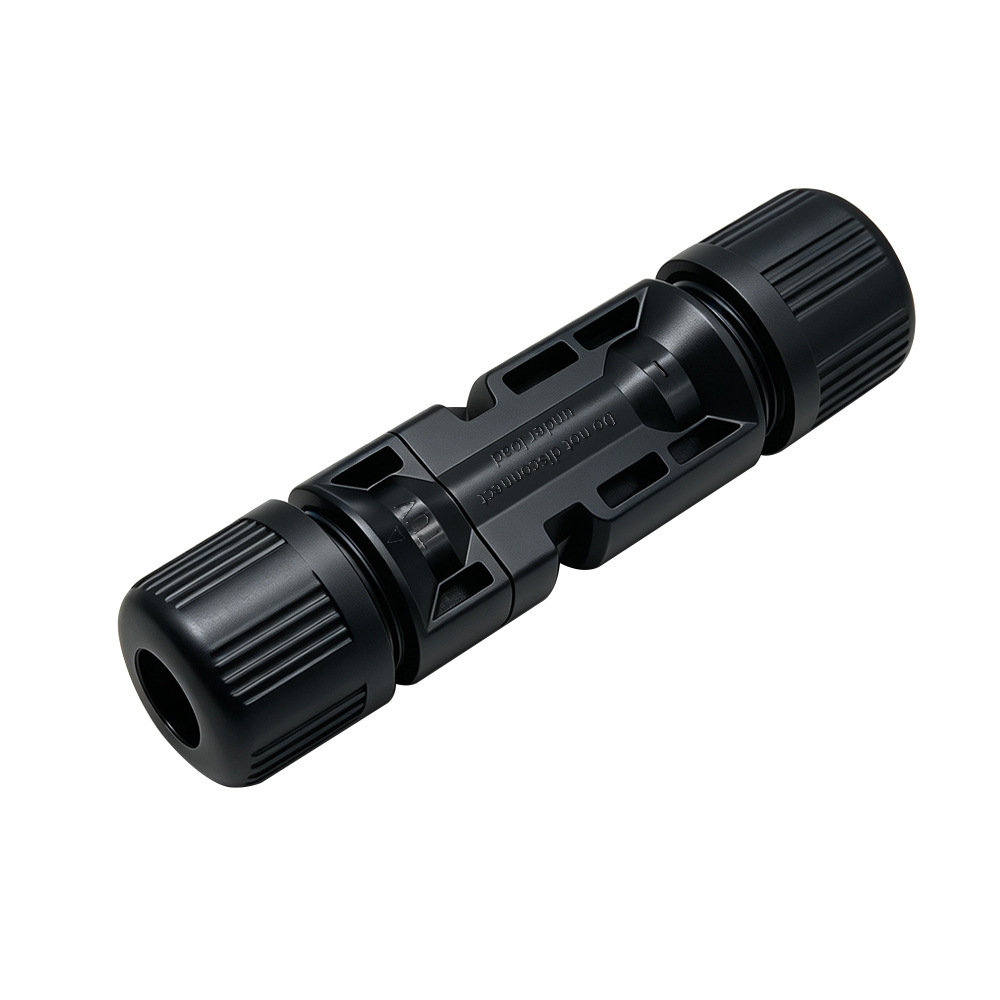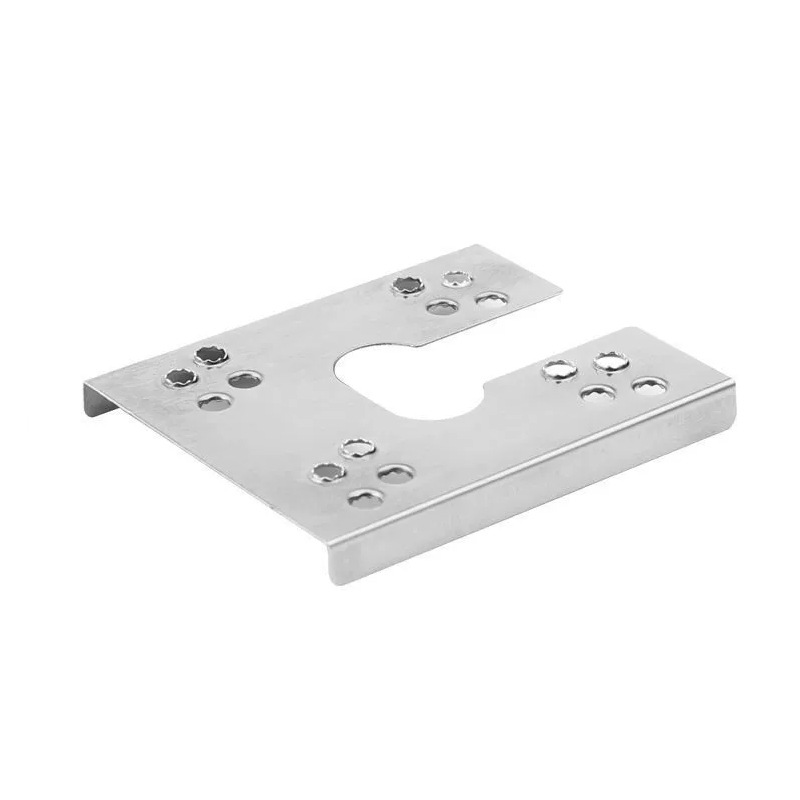
Product Specifications
| Material | Carbon steel |
C-Section Steel Product Introduction
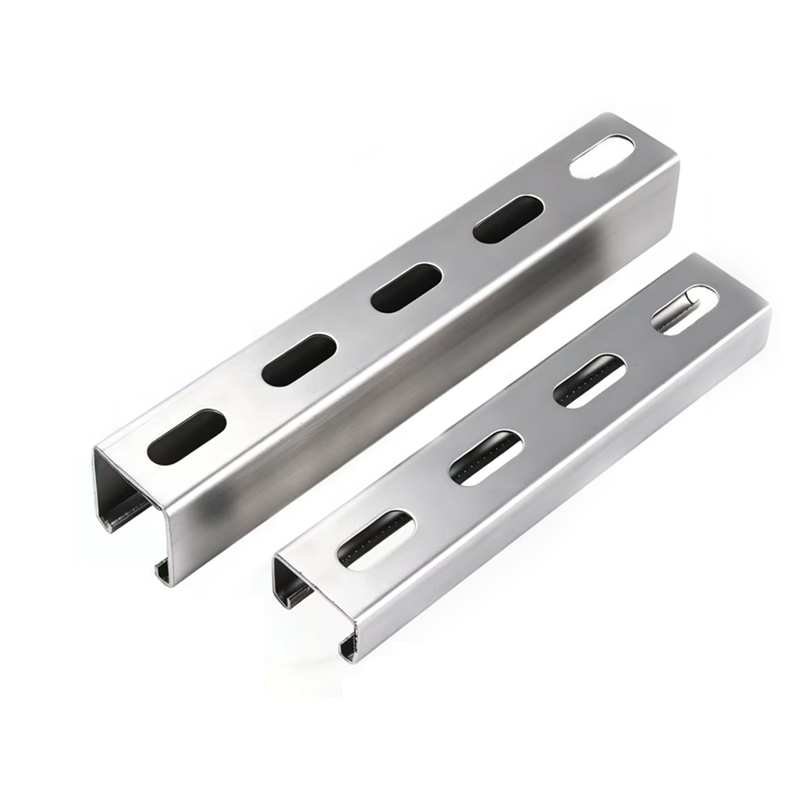
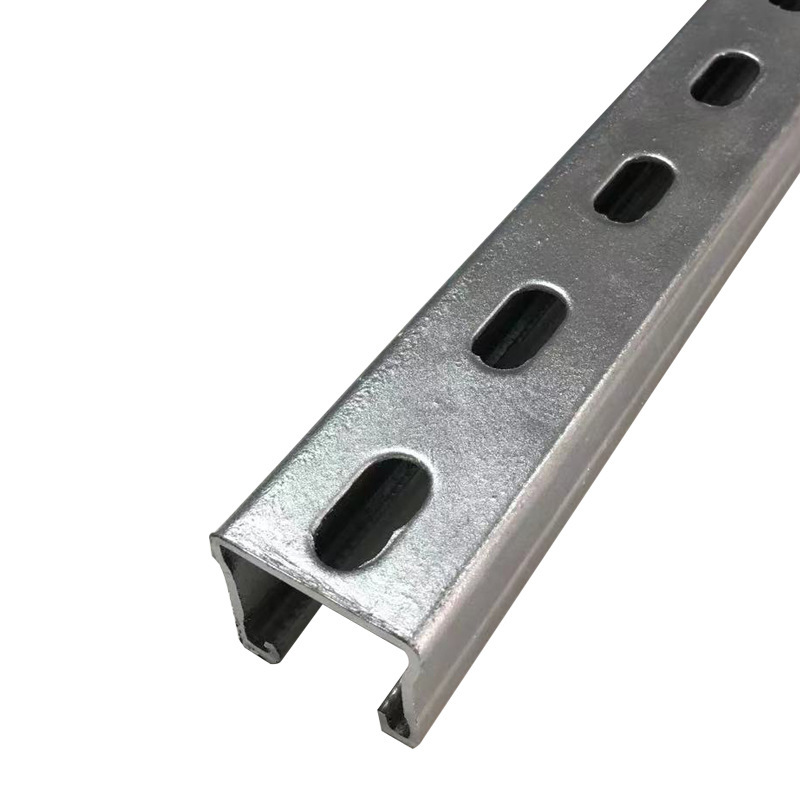
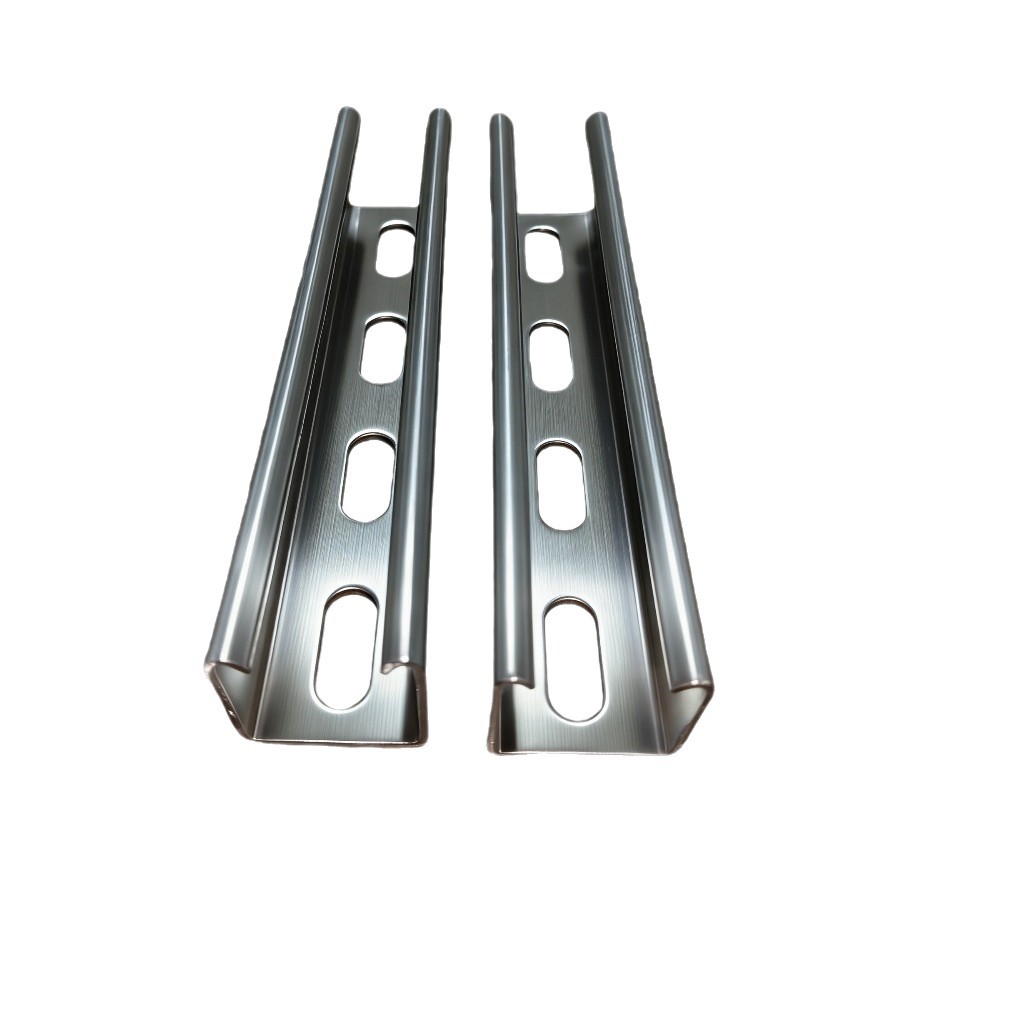
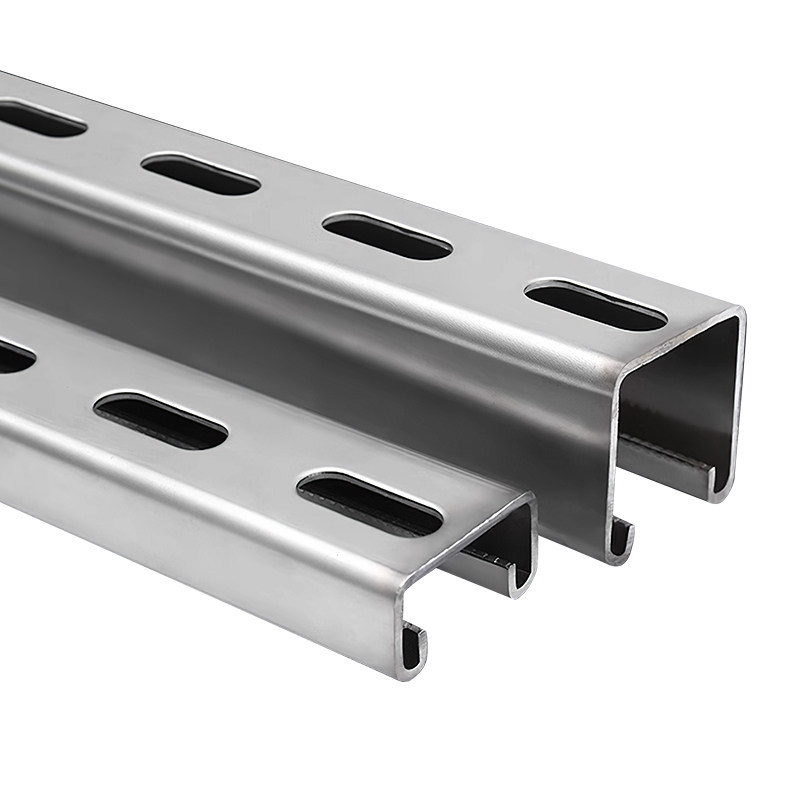
C-section steel is a cold-formed thin-walled open section steel produced by bending hot-rolled or cold-rolled steel strip through a cold roll-forming unit. It is named for its cross-section shape, which resembles the letter “C”. The product is usually made of materials such as Q195, Q235B, or Q355B (low-alloy high-strength steel), featuring uniform wall thickness and excellent cross-sectional mechanical properties. The surface can be hot-dip galvanized, electro-galvanized, painted, or left with a black mill finish as required. It is widely used in building steel structures, photovoltaic new energy, warehousing and logistics, machinery manufacturing, and many other fields.
I. Product Features
-
Rational mechanical structure: The section has relatively wide flanges, and the lip design enhances local stability. Under the same self-weight, it has a relatively large moment of inertia and bending capacity.
-
High dimensional accuracy: Produced by automated cold roll-forming units, with small dimensional tolerances and accurate cross-sectional dimensions, ensuring the assembly accuracy of components.
-
Flexible cut-to-length: Lengths can be cut to any specified length according to customer drawings (commonly 6 m, 9 m, and 12 m), without the need for secondary processing.
-
Strong customization capability: According to the actual force requirements of the project, pre-processing such as punching, drilling, and slotting can be performed on the web or flanges in advance, facilitating direct on-site assembly.
-
Diverse surface treatments: Surface treatments such as hot-dip galvanizing (high corrosion resistance), electro-galvanizing, and anti-rust paint are available to meet corrosion protection requirements in different environments.
II. Product Advantages
-
Steel saving and low overall cost: Compared with hot-rolled channel steel or angle steel of equivalent load-bearing capacity, cold-formed C-section steel has a thinner wall and higher section utilization, which can effectively reduce steel consumption and lower the total project cost.
-
High construction efficiency: The components are light in weight and convenient to transport and handle on site; the pre-punched hole design allows direct connection with bolts or self-tapping screws on site, greatly shortening the construction period.
-
High strength and corrosion resistance, long service life: In particular, hot-dip galvanized C-section steel usually has a zinc coating thickness of 65 μm or more, providing excellent corrosion resistance. Its service life in outdoor or humid industrial environments can reach 20–30 years.
-
Environmental protection and energy saving: The cold roll-forming process involves no high-temperature heating, features low production energy consumption and minimal waste, and complies with green building material standards.
III. Scope of Application
-
Building steel structures: Most commonly used for roof purlins, wall girts, roof trusses, light steel villa frames, composite floor decks, and keels/studs for lightweight partition walls.
-
Photovoltaic new energy: Used as core load-bearing components (columns, beams, diagonal braces) of solar PV mounting bracket systems, providing stable support.
-
Warehousing and logistics equipment: Used to manufacture columns and beams for light/medium-duty racks.
-
Machinery and vehicle manufacturing: Used for truck body frames, chassis accessories, agricultural machinery frames, and non-standard support structures for various industrial equipment.
-
Bridges and municipal engineering: Used as bridge formwork supports, cable trays, guardrails, and frames for municipal enclosures.